




 In healthcare, the phone isn’t an outdated side channel. It’s how patients book care, how families get answers, and how clinicians reach each other, which also makes it one of the easiest doors into the building. Spam calls to hospitals and clinics used to be a timewaster. Increasingly, they’re how attackers get in, through healthcare vishing (voice phishing) aimed at patients, clinical staff, the IT help desk, the revenue cycle team, and the scheduling line.
This is a follow-up to our earlier post on business spam calls and vishing. This time we’re looking at what it means for hospitals and health systems, and at what vishing prevention in healthcare looks like in practice. With that out of the way, let’s begin.
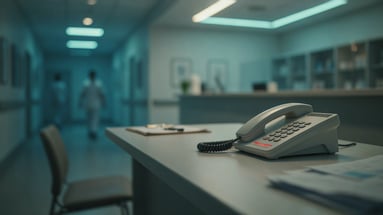
Answering (or not answering) the phone in healthcare is unlike any other business, because in an industry where safety is never optional, a missed call can carry real risk.
Patient access lines, contact centers, nurse stations, the IT help desk, and whoever manages billing and the revenue cycle all have their own lines, and every one of them is staffed by people who are trained to be helpful and who work under time pressure. That’s a good culture for patients, and it’s exactly what a caller with a plausible story hopes to find. It also means healthcare voice security can’t simply mean blocking more calls, because a patient access phone line has to stay open.
Unfortunately, attackers do their homework. Names, titles, and employee details are easy to find, and a convincing caller only needs to deliver one of them calmly to get past your security. AI voice cloning, which can copy a real person’s voice from a short audio sample, makes that caller even more believable.
The payoff is real. SOCRadar’s 2026 dark web price index lists a complete medical record at roughly $250 to $310, about ten times the price of a payment card and far above the $1 to $6 listed for a Social Security number. A stolen card can be canceled, but a medical history that includes every detail about a patient can’t be reissued.
In April 2024, the Health Sector Cybersecurity Coordination Center (HC3) at HHS described a help desk social engineering pattern that’s worth walking through.
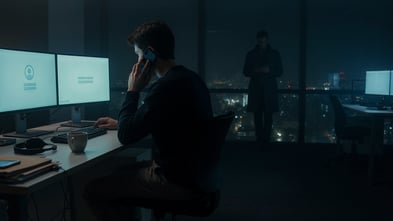 It starts with a call to a hospital’s IT help desk from a number with a local area code. The caller says they work in revenue cycle or administration, and they know the last four digits of the employee’s Social Security number and the corporate ID, details HHS said were likely gathered from professional networking sites and earlier breaches. Then comes the story: my phone is broken, and I can’t get my authentication codes. The help desk, wanting to help, enrolls a new device.
From there, the attacker goes for the money, looking for payer portal logins and submitting forms that change the bank accounts where payments are sent. Legitimate payments get redirected to accounts the attacker controls and then moved overseas. HHS also warned that AI voice impersonation could make these calls even harder to catch.
All it takes is a phone call and a plausible story, and the first sign of trouble is a payment that never arrived.
The usual answer to spam calls is a filter that scores each number and blocks the bad ones. In most businesses, a wrongly blocked call is an annoyance. In a hospital, it could be a patient with a new phone number, a family member calling from a waiting room, or a clinician calling from a personal cell, and a filter that drops a real caller on a score alone has a cost nobody sees until it matters.
Plenty of tools score the number or the call, but very few talk to the caller, and that’s the difference that matters when you can’t afford to turn away a real one.
The mitigations HHS and others recommend aren’t exotic, and they work best in layers.
Shield sits between your carrier and your phone system, checking every call before anything rings: caller ID, spam-number lists, and call floods. Each customer starts with 15 million known bad numbers on day one. 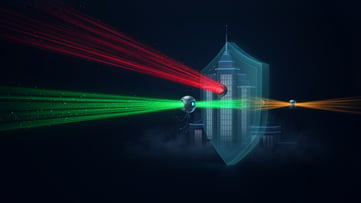
Calls that are clearly fine ring through, and clear spam is stopped. For the calls in between, an AI agent answers, finds out who’s calling and why, and then either connects the call or ends it, so an uncertain caller is never dropped on a score alone.
Shield also learns your trusted callers from your own traffic and carries that knowledge to new sites, which matters when a health system adds clinics. A few practical points:
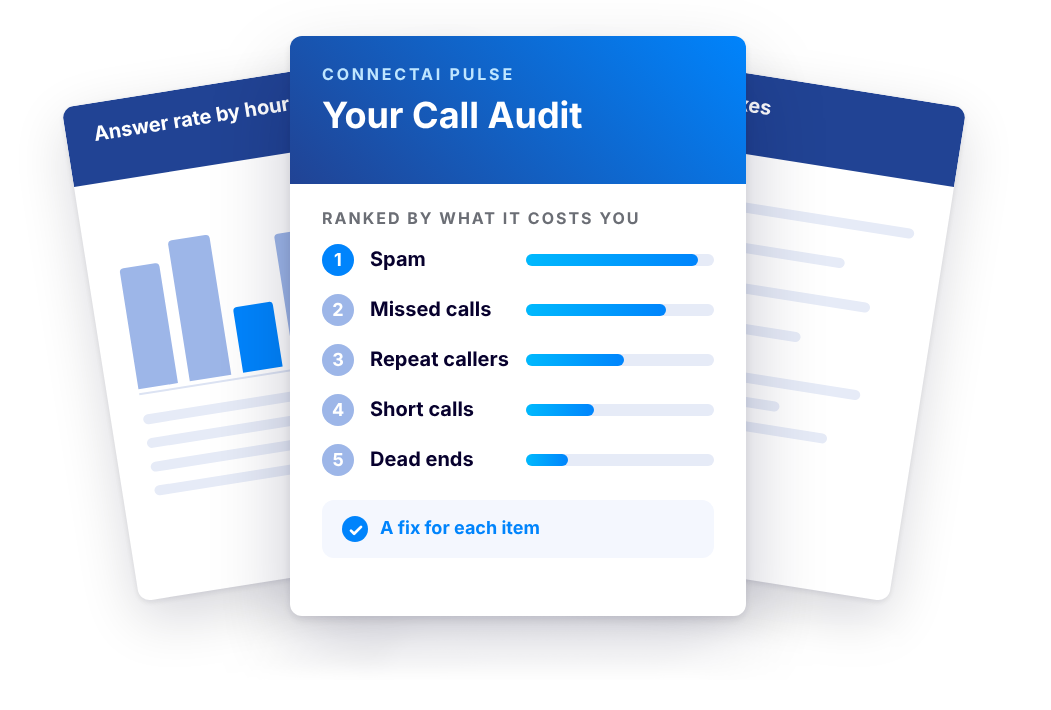
Before anyone buys anything, we’ll run a free Pulse analysis on a month of your call records. It shows how much of your inbound traffic is junk, when it arrives, and which lines take the hit.
What is vishing in healthcare?
Healthcare vishing is voice phishing aimed at hospitals and health systems. A caller impersonates an employee, vendor, or patient to get credentials, money, or protected health information. Common targets include IT help desks, revenue cycle teams, and patient access lines, and attackers increasingly use AI voice cloning to sound convincing.
How common is vishing in healthcare?
Common enough that HHS keeps warning about it. HC3 published guidance on identifying vishing in 2022 and a sector alert on help desk social engineering in 2024, and the American Hospital Association has alerted its members to schemes targeting hospital IT help desks.
What are the most common healthcare vishing tactics?
Attackers spoof local numbers, impersonate employees, clinicians, vendors, or insurers, and lean on personal details found online to sound legitimate. Many push urgencies, asking for a password reset, a new authentication device, or a payment change on the spot. Some also flood lines with spam calls or use AI voice cloning.
How do attackers target hospital help desks?
They call from a plausible number, pose as an employee, supply personal details found online, and ask for a password reset or a new authentication device. HHS has warned of this help desk social engineering pattern, and of the possible use of AI voice impersonation to make the calls more convincing.
How can staff identify a vishing call targeting patient information?
Watch for urgency, requests to skip normal procedure, callers who lean on partial identifiers like the last four digits of a Social Security number, and requests to change credentials or enroll a device on an inbound call. When in doubt, hang up and call back on the number on file.
What patient data do vishing attackers try to steal?
Attackers go after full medical records, demographics, insurance details, patient portal credentials, and billing information. That data supports financial fraud and long-term identity misuse, and unlike a payment card, a medical history can’t be canceled and reissued.
Can a spam filter block real patient calls?
Yes. Filters that block on a score alone can drop legitimate callers, such as a patient calling from a new number. Screening uncertain calls instead of blocking them reduces that risk while still stopping hospital spam calls.
What should staff do after a suspicious call to the help desk?
Hang up, call back on a number already on file, and report the call to the security team so it can be documented and compared against other attempts.