
%20Success%20Stories/3M%20-%20main.jpg)
%20Success%20Stories/Baylor-CS-Image-2.jpg)


What if you could use numbers to predict the future?
Unfortunately, that’s not quite possible. Predictive analysis is a powerful tool, but it’s not quite like reading the leaves or the bones.
While it’s not omniscient, predictive analysis is more powerful than ever boosted with AI. We’re here to look at this tool, how it works, its pros and cons, and how it’s transforming various industries.
According to IBM, predictive analytics is a branch of advanced analytics that makes predictions about future outcomes using historical data combined with statistical modeling, data mining techniques, and machine learning. Predictive analysis is simply taking the active use of this model.
While it’s not omniscient, predictive analysis is more powerful than ever boosted with AI. We’re here to look at this tool, how it works, its pros and cons, and how it’s transforming various industries.
 These predictions trade out bones, tea leaves, animal guts, playing cards, and crystal balls for something a little more mathematic: data. This includes historical records, transactional logs, sensor outputs, and more.
Machine learning algorithms take this data, analyze it, and identify patterns to make predictions. On the surface, that sounds like something we as humans do all the time without even being asked. The process on the machine end is a little bit more involved.
It begins by normalizing and cleaning the data stored within it. The AI can then be programmed with model selection algorithms like decision trees, neural networks, and regression models which help it assign probabilities to various outcomes. Basically, it takes human pattern recognition to the next level.
These systems require some work to deploy and maintain them. They require integration with current systems to make proper decisions, along with regular updates, retraining the system when new data comes in.
So what are the real reasons a business would employ an AI to make predictions? Here’s a list of several benefits that this technology provides:
While this technology is often beneficial, it also comes with drawbacks. These are some of the challenges worth addressing with predictive analysis to address for a successful implementation:
From high level pros and cons, we’ll move into a more specific breakdown, touching on the various ways predictive analysis works in different industries.
AI is a precarious tool in the medical field, but predictive analysis is a relatively safe way for it to be implemented. A predictive model integrated with patient profiles and hospital scheduling can forecast emergency room demands and patient readmission to assist with scheduling. It can even use its predictions to personalize care for patients with chronic illnesses.
In this field, of course, trust, privacy, and data fairness are critical concerns, and should be adequately addressed.
Universities use predictive models to improve student retention, forecast enrollment, and tailor academic support. This helps plan events, ensure adequate housing for each term, and properly allocate admissions staff to ensure students old and new have the best experience.
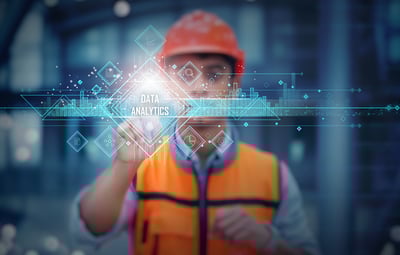 As mentioned briefly in the benefits listed above, manufacturing firms get the most value from predictive and proactive maintenance. With access to robust data and equipment information, the predictive machine monitors the other machines, anticipating outages before they happen.
Manufacturers also leverage AI to forecast demand, streamline supply chains, and improve quality control. They minimize waste and maximize uptime.
Predictive analysis in the hands of the law may sound worryingly like Minority Report. Fortunately, law firms and legal departments aren’t looking to turn our world into harrowing Science Fiction.
Instead, they’re tapping into predictive analytics to forecast case outcomes, streamline document review, and allocate resources more effectively.
Our mission at Continuant is to help organizations use this data to improve both internal operations and customer experience. Predictive analytics offers one of the most powerful ways to do just that.
At Continuant, we work every day with enterprises that are sitting on decades of untapped data. Our mission is to help organizations use this data to improve both internal operations and customer experience.
Predictive analytics offers one of the most powerful ways to do just that. Improving AV system reliability, mapping optimal staffing plans, and developing customer support strategies are all possible with the right models and the right integrations.
We're not interested in mysticism. We're here to help you turn good data into better decisions.
Let us show you how predictive analysis can fit into your existing environment. Get started with a free discovery call today.